Tanuki
- Today’s daily challenge is a straightforward one, but I used BurpSuite with MCP server to solve as it as I am trying to learn and understand the AI impact.

Enumeration
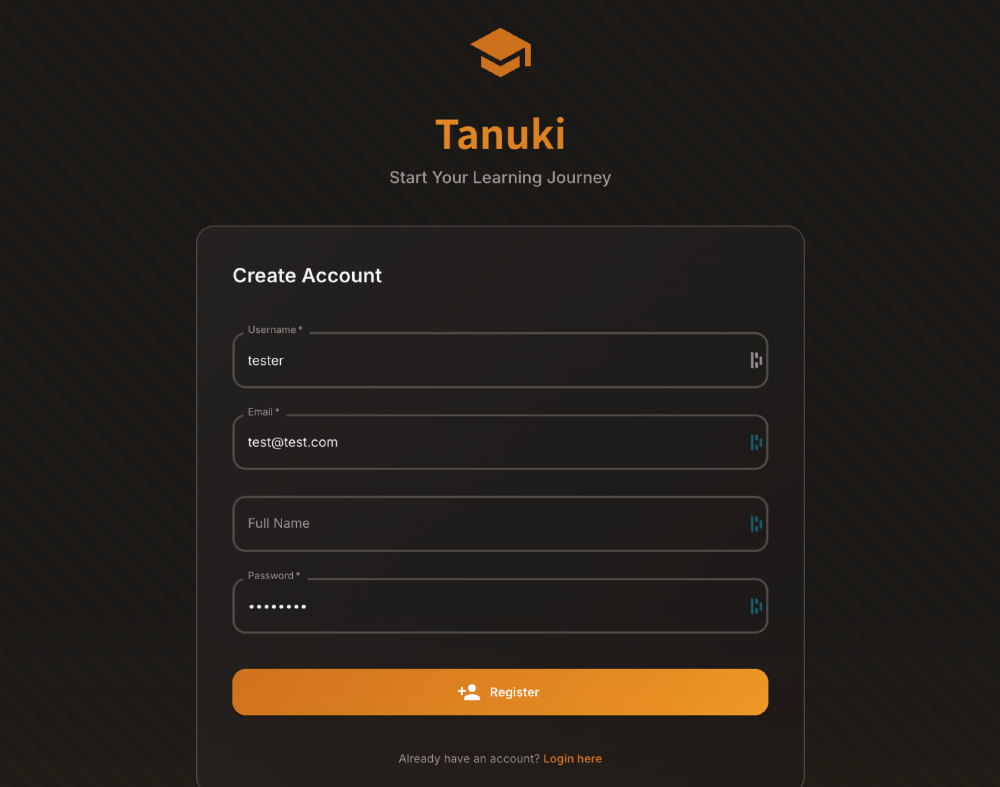
We get a landing page, so as usual we can register
The best way to check for web application vulnerabilities is to simply use it, not automatically search for them
Majority of the time, we can observe something out of the ordinary while simply clicking through and checking the responses from the application/server


After browsing decks, we can add them to dashboard and
Start StudyingThis pretty much gives us all of the functionality of the website, we can continue now within BurpSuite
BurpSuite
- Any time we see
GETrequest and numbers within, it would be rude not to play around and check

- In this case, I approached it different … as I have my MCP connected to Burp, I used
codexto help me solve this and see whether there is a good way to showcase AI usage.
MCP BurpSuite
- I asked first to give me an idea whether it can find anything within the HTTP history of Burp, as I clicked around the page, based on the
hint

- The suggestion was taken literally, so that one was on me :)
- Next, I asked to dig deeper and see whether there is something meaningful that we can use
- It was very adamant about the
42 Socket.IO event, I had to politely ask to change approach

- Since I have observed the
API statsbefore with theGET, I redirected its brain there

- It was able to run tests and found the correct way to get the flag

- Thank you for reading, my first (of many to come) published writeup!
- Keep Learning and Be Useful!
Security Takeaways
Impact
- Unauthorized access to other users’ data via IDOR
- Potential exposure of private content and user metadata
- Demonstrates broken authorization logic
Vulnerability Classification
- OWASP Top 10: Broken Access Control
- Vulnerability Type: IDOR (Insecure Direct Object Reference)
- CWE: CWE-639 - Authorization Bypass Through User-Controlled Key
Root Cause
The backend trusts client-controlled identifiers (e.g. resource IDs in GET requests) without verifying that the authenticated user is allowed to access the referenced object.
Remediation
- Enforce server-side authorization checks on every object access
- Validate ownership or access rights before returning data
- Avoid using predictable, sequential IDs where possible
- Add logging and alerting for unusual access patterns